

The Egyptian Museum
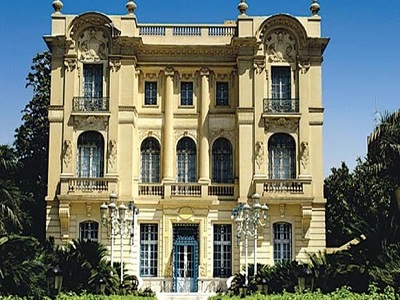
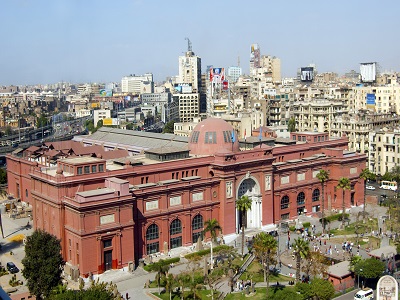
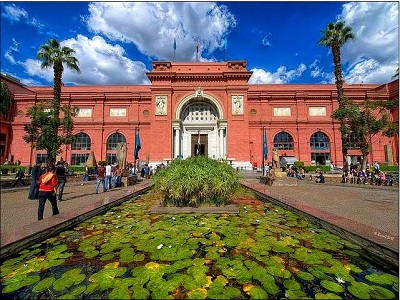
The museum is located on the northern side of Tahrir Square in downtown Cairo, near Sadat Metro Station. Khedive Abbas Helmy II laid the foundation stone for the Egyptian Museum in 1897. It is one of Cairo’s most famous landmarks and currently houses the world’s greatest collection of antiquities representing all periods of ancient Egyptian history.
The Egyptian Museum on Google Maps
Museum of Islamic Art
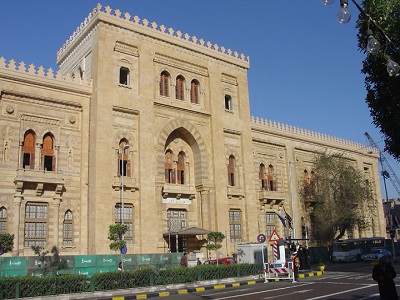
The Museum of Islamic Art is located in the Bab Al-Khalq area in the heart of historic Cairo. It is considered the largest Islamic museum in the world, housing diverse collections of Islamic art. The museum was given this name because it contains artifacts and artworks produced in several Islamic countries. It was formerly known as the “Arab Antiquities House.”
Museum of Islamic Art on Google Maps
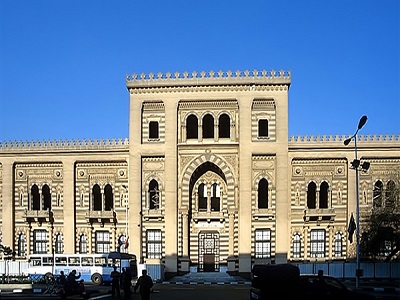
Islamic ceramics museum
The Museum of Islamic Ceramics occupies the ground and first floors of the “Prince Amr Ibrahim Palace” at the Gezira Arts Center in Zamalek. The idea of establishing the Museum of Islamic Ceramics was to display a collection of masterpieces of ceramics made in the style of Islamic architecture.
Islamic ceramics museum on Google Maps
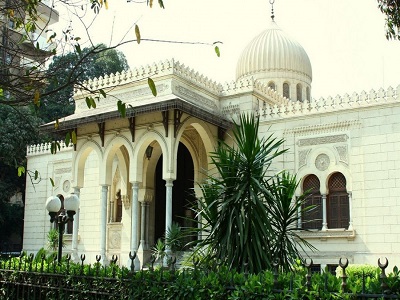
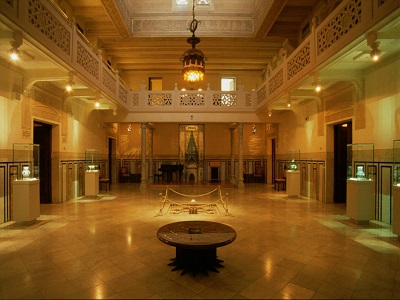
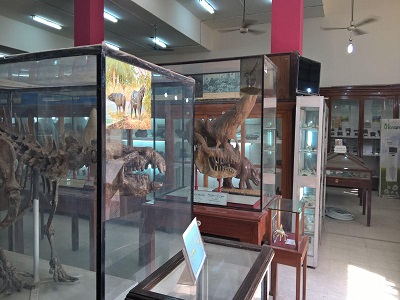
Egyptian Geological Museum
The Egyptian Geological Museum is located on the Nile Corniche in Maadi. It is considered the first museum of its kind in the Arab world and the Middle East and is more than 100 years old. The Egyptian Geological Museum was established in 1901 and opened to the public on December 1, 1904. The museum displays various specimens of rocks, minerals, and fossils.
Egyptian Geological Museum on Google Maps
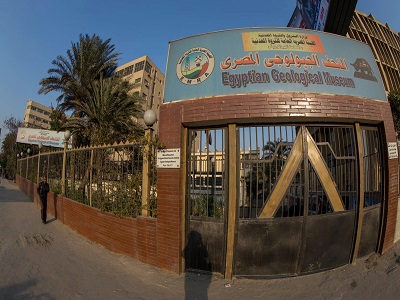
National Museum of Egyptian Civilization
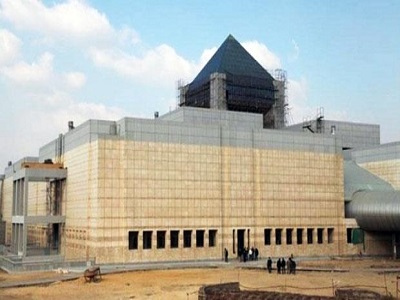
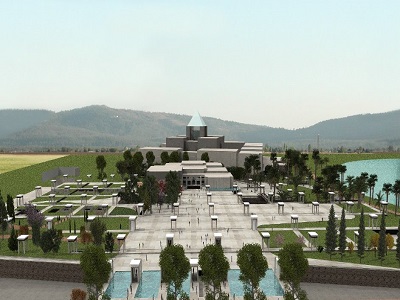
The National Museum of Egyptian Civilization is located near the Babylon Fortress, overlooking Ain El-Sira in the heart of the historic city of Fustat in the Old Cairo district. The foundation stone was laid in 2002, with the aim of making this museum one of the most important and largest archaeological museums in the world.
It is the first museum dedicated to the entirety of Egyptian civilization. More than 50,000 artifacts will tell the story of the development of Egyptian civilization from the earliest periods through the modern era.
National Museum of Egyptian Civilization on Google Maps
Abdeen Palace Museum complex
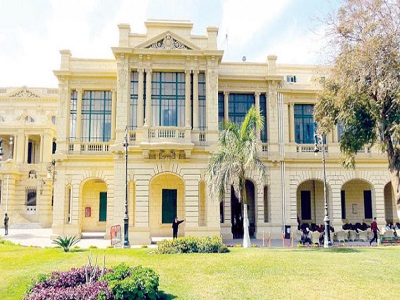
The Abdeen Palace Museums are located inside the palace, which stands in Abdeen Square in central Cairo. The sons and grandsons of Khedive Ismail designated several halls of the palace to house a number of artifacts and collections they acquired from both inside and outside the country.
Thus, the palace became a complex of diverse museums, connected by a single visitor route through which visitors can explore the palace gardens and all of its museums.
Abdeen Palace Museum complex on Google Maps
The Egyptian Postal Museum
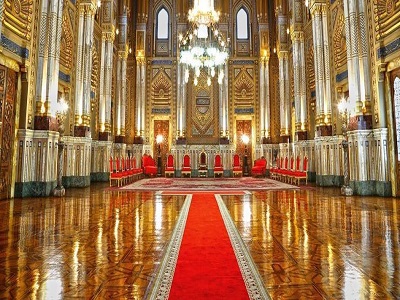
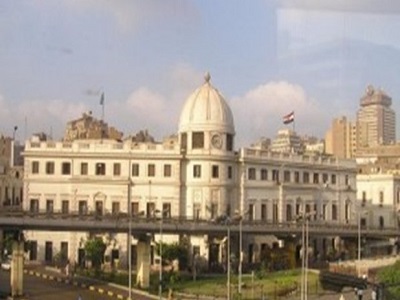
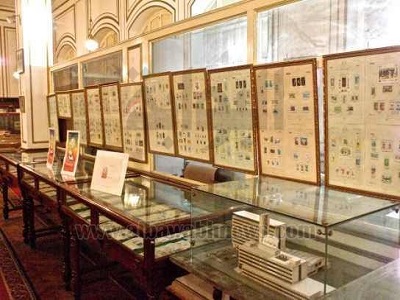
This museum is located in Ataba Square in the historic green district, inside the Postal Service building. It was opened during the 10th Universal Postal Congress held in Cairo in 1934.
The museum tells the history of the Egyptian postal service from its establishment in 1886 to the present day. It also houses some of the most important stamps issued by the Egyptian Postal Authority.
The Egyptian Postal Museum on Google Maps
The Child Museum
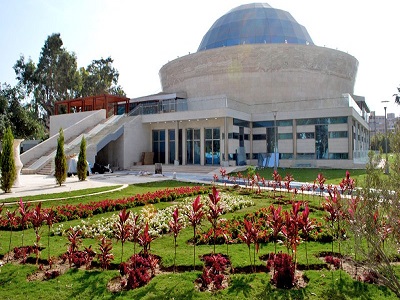
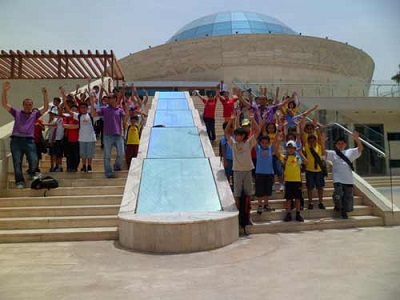
The Children’s Civilization and Creativity Center is located on Abu Bakr El-Siddiq Street in the Heliopolis district. The museum is an interactive educational and recreational facility that brings Egyptian families together on a journey through time and space to discover Egypt.
The museum was built in 1985 as a joint project with the British Museum. Experts from across Egypt and around the world in various fields contributed to its development to help children learn and explore.
The Child Museum on Google Maps
Egyptian Modern Art museum
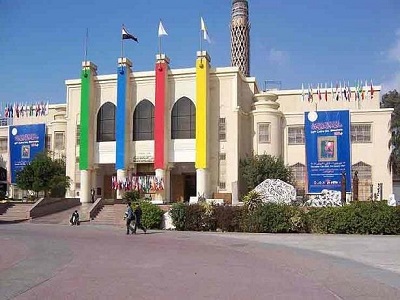
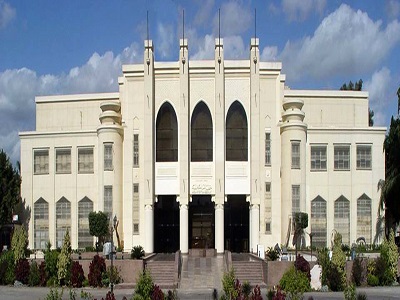
The Museum of Modern Egyptian Art is located within the Egyptian Opera House grounds in Gezira, Zamalek, Cairo. The current building was constructed in 1936 and was originally known as the “Grand Saraya.” It was later renovated to serve as the permanent home of the museum, which officially opened in late October 1991.
Egyptian Modern Art museum on Google Maps
Museum of Art and Garden
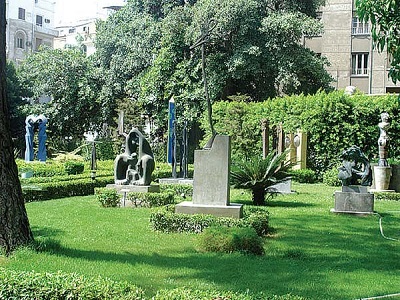
The Art Museum and Garden is located at the Gezira Arts Center, affiliated with the Fine Arts Sector, in Prince Amr Ibrahim Palace, a descendant of Khedive Ismail, in Zamalek. The garden covers approximately 3,560 square meters. The museum was established in 1971 and features works by Egyptian and international artists, showcasing diverse styles, sculpture dimensions, themes, techniques, and materials.
Museum of Art and Garden on Google Maps
Umm Kulthum Museum
The Umm Kulthum Museum is located in the Al-Roda area along the Nile, at the southern end of Roda Island. One of the buildings attached to the Manasterly Palace was designated as a museum dedicated to the “Lady of Arab Singing.”
The museum covers an area of 250 square meters. In 1998, the Ministry of Culture formed its first committee to research and receive Umm Kulthum’s belongings. Since then, her personal and professional memorabilia have been collected and displayed at the museum.
Umm Kulthum Museum on Google Maps
Engy Aflaton Museum
Engy Aflaton Museum on Google Maps
Banque Misr Museum
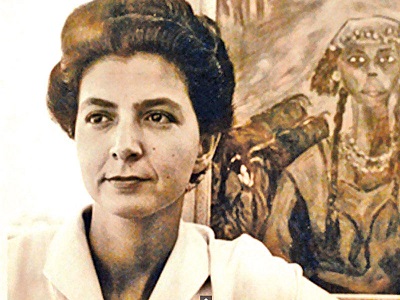
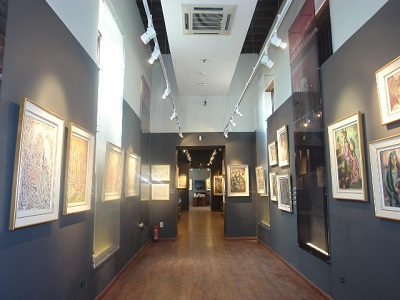
The Banque Misr Museum is located in the bank’s headquarters on Mohamed Farid Street in downtown Cairo. The bank was founded in 1920 by “the father of the Egyptian economy,” Mohamed Talaat Harb. The museum houses numerous artifacts, historical documents, books, and volumes documenting a rich historical era of dedication and hard work by the loyal men who carried the torch of Banque Misr.
Banque Misr Museum on Google Maps

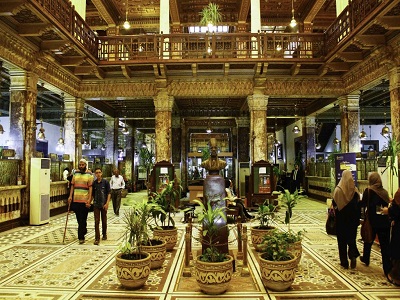
House of Nation Museum
The Bayt Al-Umma Museum is located on Saad Zaghloul Street, off Qasr El-Aini Street. It was established in the home of Egyptian leader Saad Zaghloul and contains rooms displaying furniture as it was during his lifetime, along with some of his clothes worn on important occasions, his medals, and prayer beads. The museum was renovated and reopened to the public on January 16, 2003.
House of Nation Museum on Google Maps
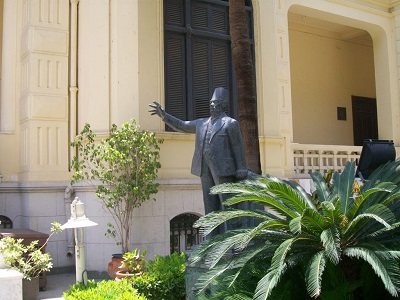
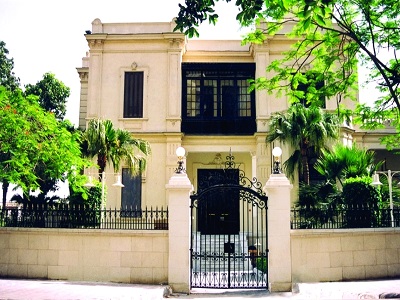
The Gayer Anderson Museum ( Beit El-Kritliya)
The museum is located in Ahmed Ibn Tulun Square in the Sayyida Zeinab district and is known as the Gayer-Anderson Museum. Gayer-Anderson was a British Army doctor and an avid collector of antiquities who assembled rare collections that are now displayed in the museum.
The museum is also known as the “House of the Cretan Woman,” as the last family to live there came from the island of Crete. The museum’s collections are displayed in a magnificent Ottoman-era complex consisting of two houses.
The Gayer Anderson Museum on Google Maps
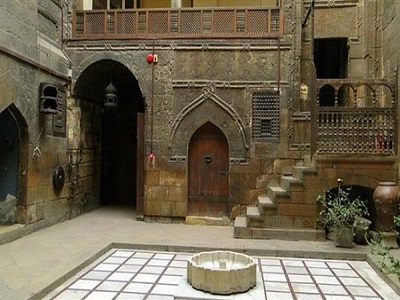
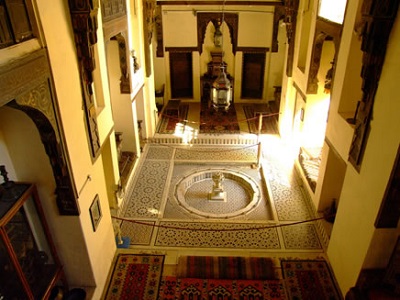
Farouk Corner Museum
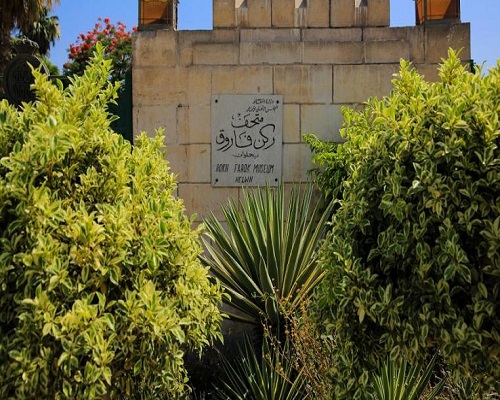
The Farouk Corner Museum is located in Helwan, at the end of the Nile Corniche, near the entrance to Helwan in southern Cairo. The museum was originally a royal retreat for King Farouk. It remained unchanged until it was confiscated after the July 23, 1952 Revolution and handed over to the Cairo Governorate, eventually becoming part of the Museums Sector of the Supreme Council of Antiquities.
Farouk Corner Museum on Google Maps
Manial Palace Museum
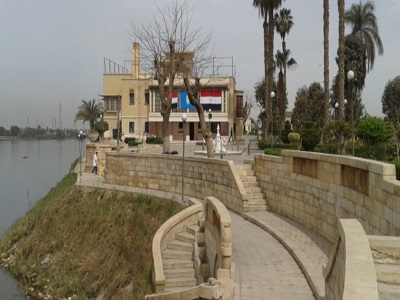
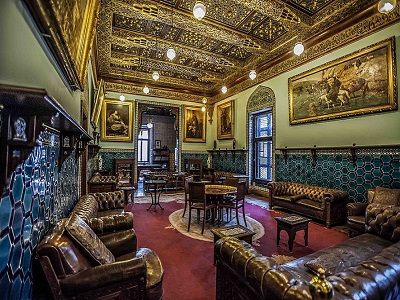
This palace is located on the eastern branch of the Nile on Roda Island in Manial. It was built by Prince Muhammad Ali, son of the former Khedive Muhammad Tawfik, to revive and honor Islamic arts. The palace has now been transformed into a museum and stands out among Egypt’s museums and historic palaces for its magnificent architectural design.
Manial Palace Museum on Google Maps
Mahmud Mokhtar Museum
The Mahmoud Mokhtar Museum is located on Tahrir Street in the Gezira area, directly opposite the Egyptian Opera House. The Opera Metro Station is the nearest station to the museum.
The Mahmoud Mokhtar Museum was the first museum built by the Ministry of Culture to honor the sculptor Mahmoud Mokhtar, commemorate his legacy, and recognize his artistic contributions.
Mahmud Mokhtar Museum on Google Maps