



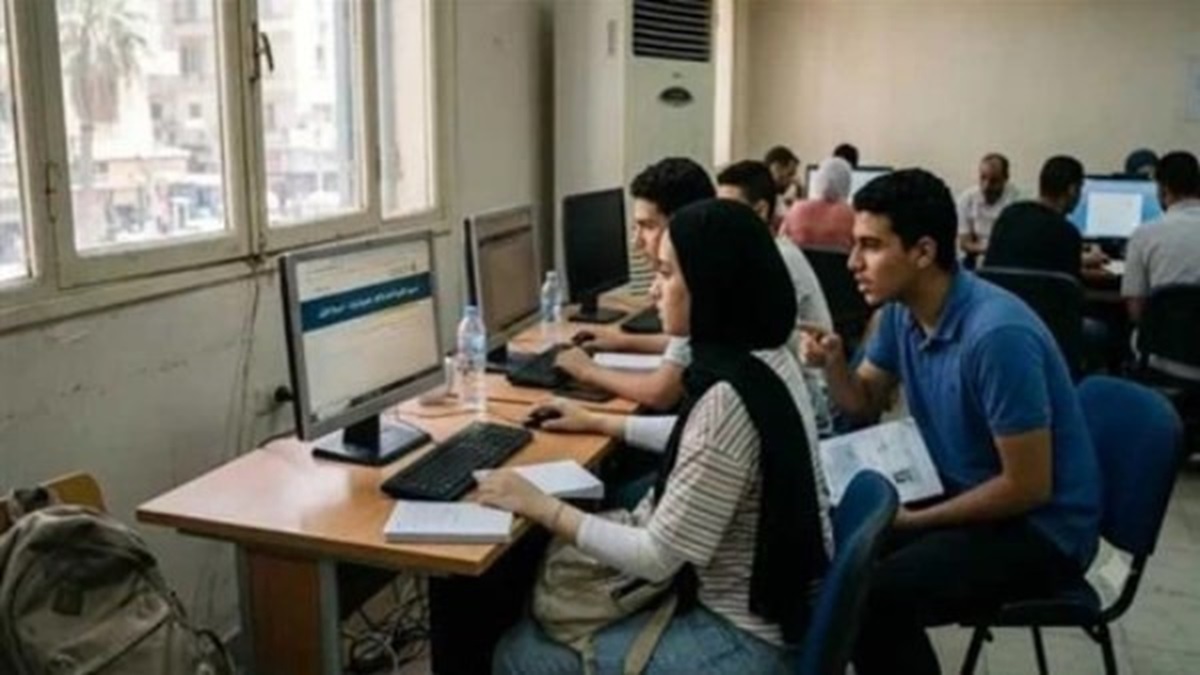
Dr. Ahmed El-Gioushy, Acting Head of the Higher Education Sector and Supervisor of the University Admissions Coordination Office, affirmed that the electronic admissions system is a well-established and reliable process that guarantees fairness and equal opportunities for all students. He stressed that every student will be assigned based solely on their grades, without any external interference.
He explained that the system allows each student to list 75 program preferences, describing the process as simple, user-friendly, and virtually error-free thanks to the system's long-standing reliability.
El-Gioushy urged first-stage applicants to carefully rank all of their preferences, noting that while a student may not be admitted to one of their top choices, they could be placed in a lower-ranked option—such as their 51st choice—making the order of all preferences extremely important.
He also advised students to review last year's admission indicators to get a general idea of minimum admission scores, while emphasizing that these figures are only for guidance and comparison.
Students in the first admission stage will have five days, from tomorrow until Sunday, August 9, to submit or revise their preferences. The system allows students to modify and reorder their choices multiple times during the application period.
El-Gioushy stressed the importance of following geographical distribution rules when listing preferences, arranging institutions from the nearest to the farthest, as this is an important factor in the admission process.
He clarified that the announced minimum score for the first stage is only the minimum required to apply, not the final admission cutoff for any college. Final admission thresholds depend on several factors, including the number of applicants, available university places, and each faculty's capacity.
Regarding the job market, El-Gioushy noted that employment trends have been changing rapidly in recent years. He highlighted the growing interest in Artificial Intelligence and Information Technology programs, describing them as key fields driving the global economy amid digital transformation and rapid technological advancement, with increasing demand in the labor market.
Source: Al-Ahram Portal